History of the Gate Theatre
Where it all started
The Gate Theatre was founded in 1928 by Hilton Edwards and Micheál MacLiammóir; the Gate Theatre grew out of the Gate Theatre Studio, which was co-founded by Daisy Bannard Cogley and Gearóid Ó Lochlainn.
During their first season, they presented seven plays, including Henrik Ibsen’s Peer Gynt, Eugene O’Neill’s The Hairy Ape and Oscar Wilde’s Salomé.
Their productions were innovative and experimental, and they offered Dublin audiences an introduction to the world of European and American theatre as well as classics from the modern and Irish repertoire.
It was at the Gate Theatre that Orson Welles, James Mason, Geraldine Fitzgerald and Michael Gambon began their prodigious acting careers.
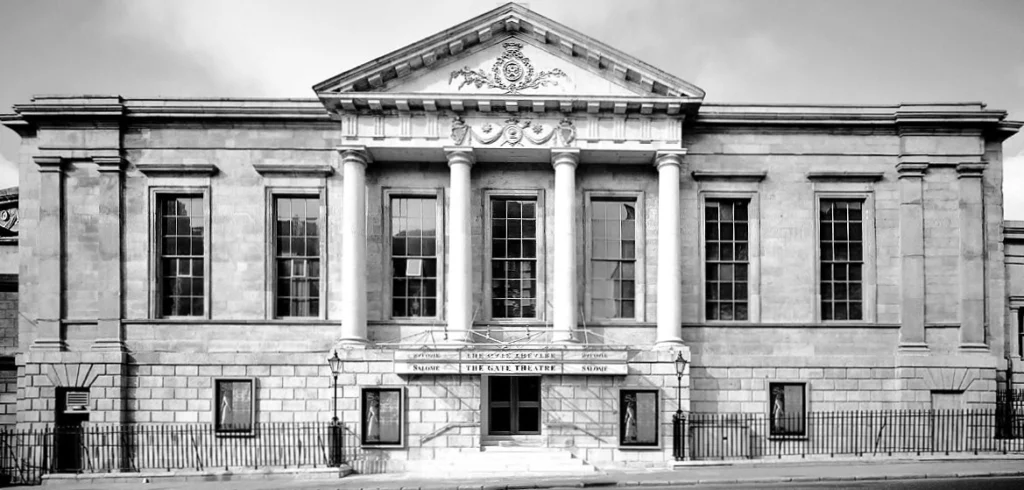
The company played for two seasons at the Peacock Theatre and then on Christmas Eve 1929, in Groome’s Hotel, the lease was signed for the 18th Century Rotunda Annex, the ‘Upper Concert Hall’, the Gate Theatre’s present home, with Goethe’s Faust opening on 17th February 1930.
Micheál MacLiammóir died in 1978 and Hilton Edwards died in 1982. They are buried together in St Fintan’s Cemetery, Dublin.
Lord & Lady Longford
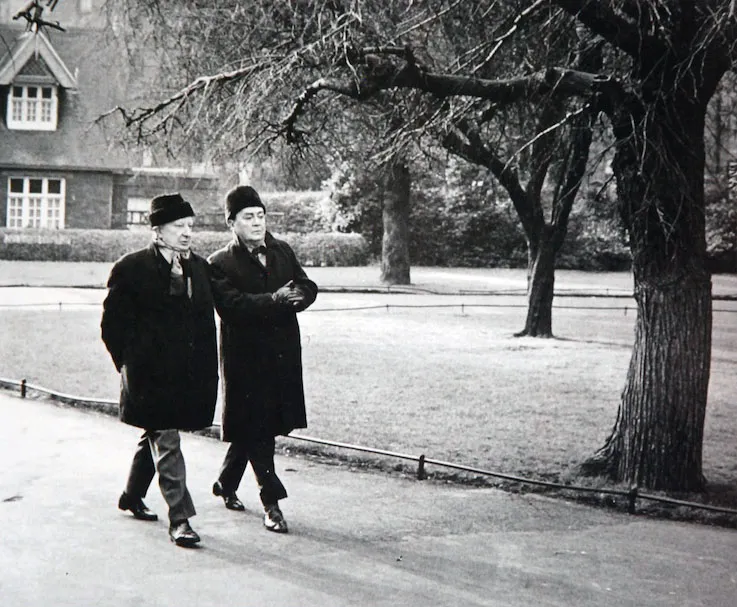
In 1931, the newly established Gate Theatre ran into financial difficulties and Lord Edward and Lady Christine Longford provided financial support.
The Longfords worked with Edwards and MacLiammóir at the Gate Theatre until 1936. A split then developed and two separate companies were formed and alternately played at the Gate Theatre for six months each and then toured, until the death of Lord Longford in 1961.
During this period Edwards and MacLiammóir (Gate Theatre Productions) ran shows in the Gaiety Theatre and toured productions to Europe, Egypt and North America.
Lady Longford died in 1980.
1980s – 2000s
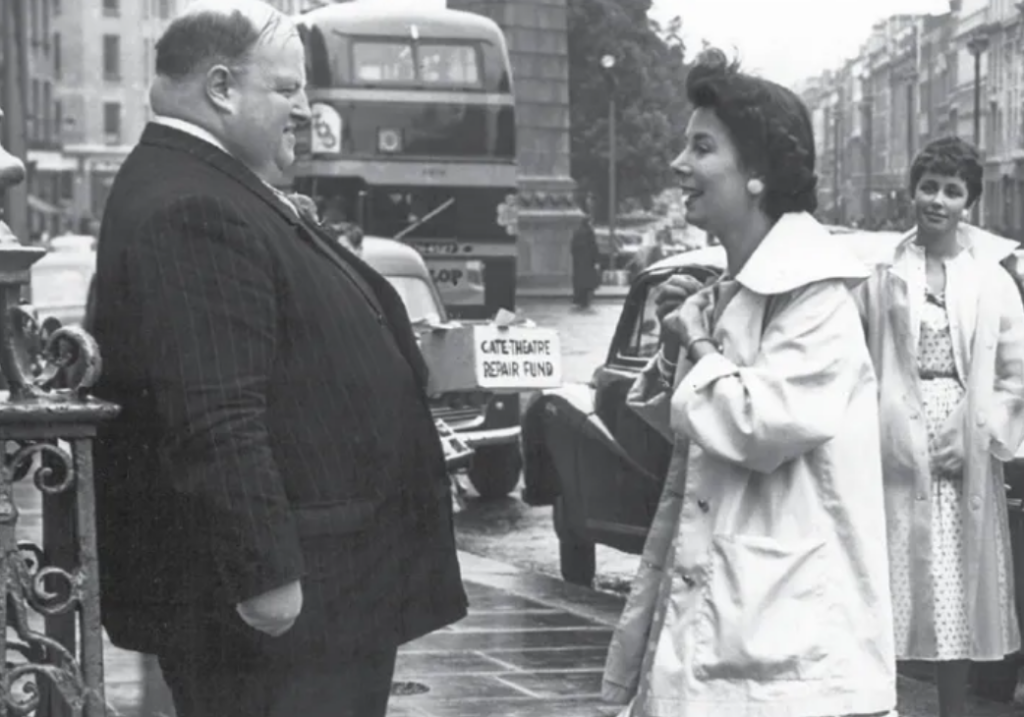
In 1983, Michael Colgan became Director of the Gate Theatre.
During Dublin’s year as the European City of Culture in 1991, the Gate Theatre, in collaboration with RTÉ and Trinity College Dublin, mounted all nineteen of Samuel Beckett’s stage plays over three weeks. This Festival was later remounted in London and New York. This celebration of Beckett’s work was fitting as the Gate Theatre was the home for the Irish premiere of Beckett’s Waiting for Godot in 1956, as well as an iconic revival of the play, directed by Walter Asmus, in 1988.
During the 1990s, the Gate Theatre presented exciting new plays, including the seminal, The Steward of Christendom by Sebastian Barry (1995), and Conor McPherson’s The Weir (1996). Friel’s early play, Faith Healer, was revived in 2006 with Ralph Fiennes in the lead role; this production played to sold-out houses before touring to Broadway, where it was nominated for four Tony Awards.
During this time, with the generous support of funders, the fabric of the building was restored and renovated under the guidance of Ronnie Tallon of Scott Tallon Walker Architects. This included the provision of a new wing, which incorporates a bespoke space for rehearsals, workshops, offering practitioners an opportunity to develop and nurture creativity.
The Cartmell Era
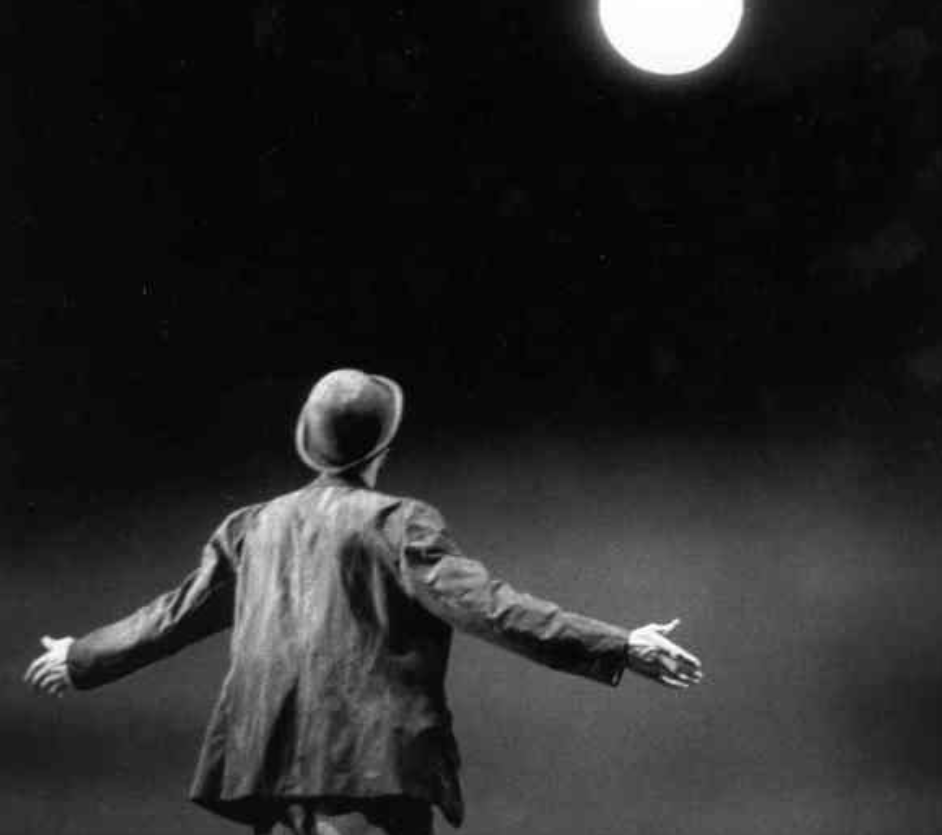
Selina Cartmell became Director/CEO of the Gate Theatre in April 2017. Prior to her appointment, she had directed three award-winning productions for the Gate Theatre: Catastrophe, Festen and Sweeney Todd.
Cartmell’s inaugural season at the Gate Theatre opened with the immersive production of F. Scott Fitzgerald’s The Great Gatsby. Her tenure saw a number of hugely successful productions including two sold out seasons of Roddy Doyle’s The Snapper, and Shakespeare’s Hamlet, starring Ruth Negga, a production which transferred to St Ann’s Warehouse in New York.
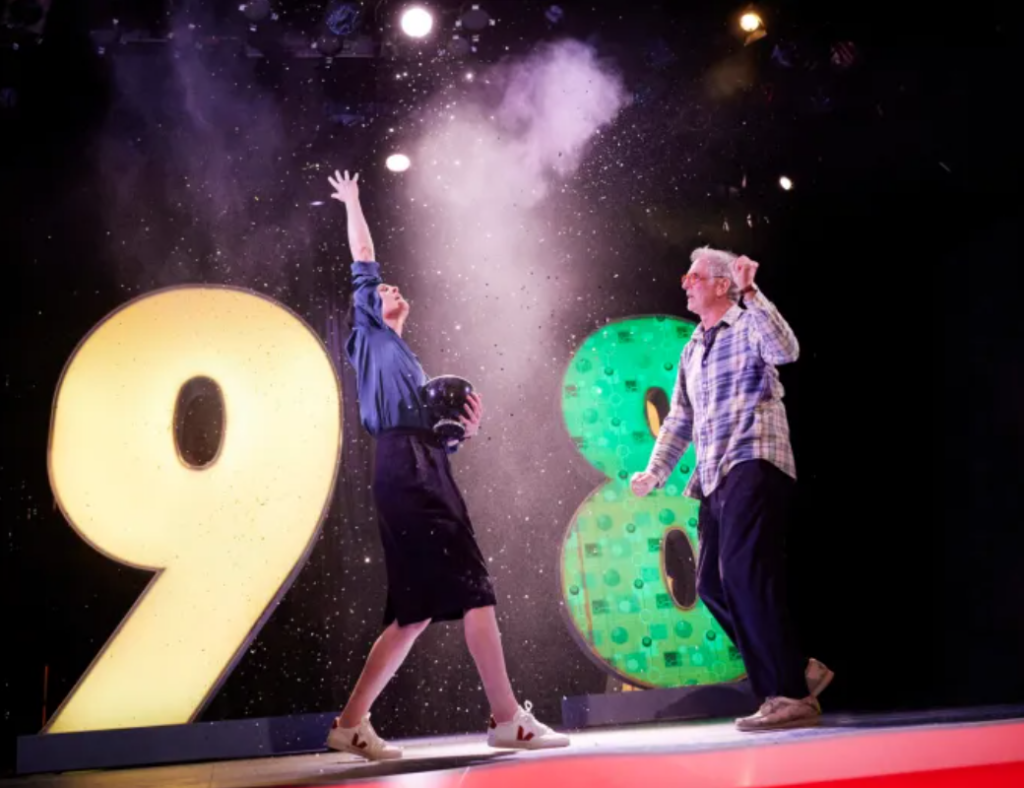
Following the theatre’s closure due to the COVID-19 pandemic, the venue reopened with the world premiere of Phillip McMahon’s Once Before I Go, directed by Cartmell herself, plus a sold-out run of Samuel Beckett’s Endgame, directed by Tony Award winner Danya Taymor.
Selina Cartmell stepped down from her role as Director/CEO on July 29th 2022.
The Next Chapter
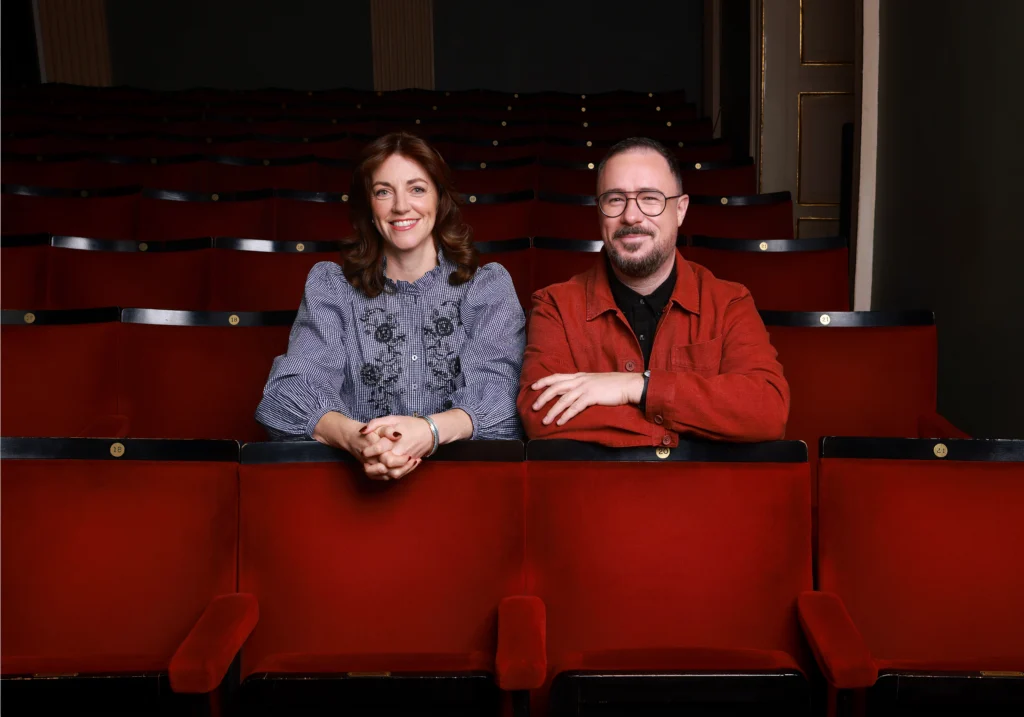
In May 2022, Róisín McBrinn and Colm O’Callaghan were appointed as Co-Chief Executive Officers of the Gate Theatre, with McBrinn taking on the role of Artistic Director and O’Callaghan becoming Executive Director.
Róisín McBrinn had previously directed two hugely successful runs of Roddy Doyle’s The Snapper at the Gate Theatre. She had also worked with Clean Break Theatre in London for more than seven years, four of which were spent as Joint Artistic Director and Chief Executive. Prior to joining Clean Break in 2014, McBrinn spent two years as Associate Director of the Sherman Theatre in Cardiff.
Colm O’Callaghan was previously Executive Director of Force Majeure, one of Australia’s most celebrated dance theatre companies. Before joining Force Majeure, he spent five years as Company Manager with Sydney Theatre Company. He had also previously worked with Landmark Productions and Druid Theatre.
History of the building
The building that now houses the Gate Theatre was originally constructed as part of the Rotunda Hospital complex, then known as the Dublin Lying-In Hospital. Established in the 1750s, the Rotunda is one of the oldest maternity hospitals in the world.
Over the following three decades, two additional buildings were developed within the complex, transforming it into a hub for entertainment and social gatherings. The Round Room, now the Ambassador Theatre, was built in the 1760s and opened in 1767. It hosted concerts and public events, while also serving as an important fundraising venue for the hospital.
The New Assembly Rooms, constructed in the mid-1780s, provided an elegant Georgian setting for social and cultural events. The building comprised a Tea Room on the ground floor, now known as the Pillar Room, and a grand Supper Hall on the first floor, which today houses the Gate Theatre. Both spaces generated valuable revenue for the hospital.
In 1930, the Gate Theatre acquired the use of the upstairs rooms and transformed the former Supper Hall into the theatre we know and love today.